

Electrolyte tablets for CrossFit: A how-to guide
Table of Contents
- Why electrolyte tablets matter for CrossFit training
- What to look for in electrolyte tablets for intense exercise
- When to take electrolytes during exercise
- Electrolyte tablets before or after workout: timing strategies
- Hydration for high-intensity training: building your routine
- Zero-sugar electrolyte tablets: why they work for CrossFit
- Common mistakes to avoid when using electrolyte tablets
- Frequently Asked Questions
Last Updated: 10 October 2026
Why electrolyte tablets matter for CrossFit training
CrossFit demands everything your body has. You're lifting heavy, moving fast, sweating hard. That's where electrolyte tablets CrossFit athletes rely on become essential.
Water alone doesn't cut it during intense exercise. When you sweat, you lose sodium, potassium, and other minerals your muscles need to function properly. Electrolyte tablets replace what you're losing in minutes, not hours. They help prevent cramping, maintain energy, and speed up recovery.
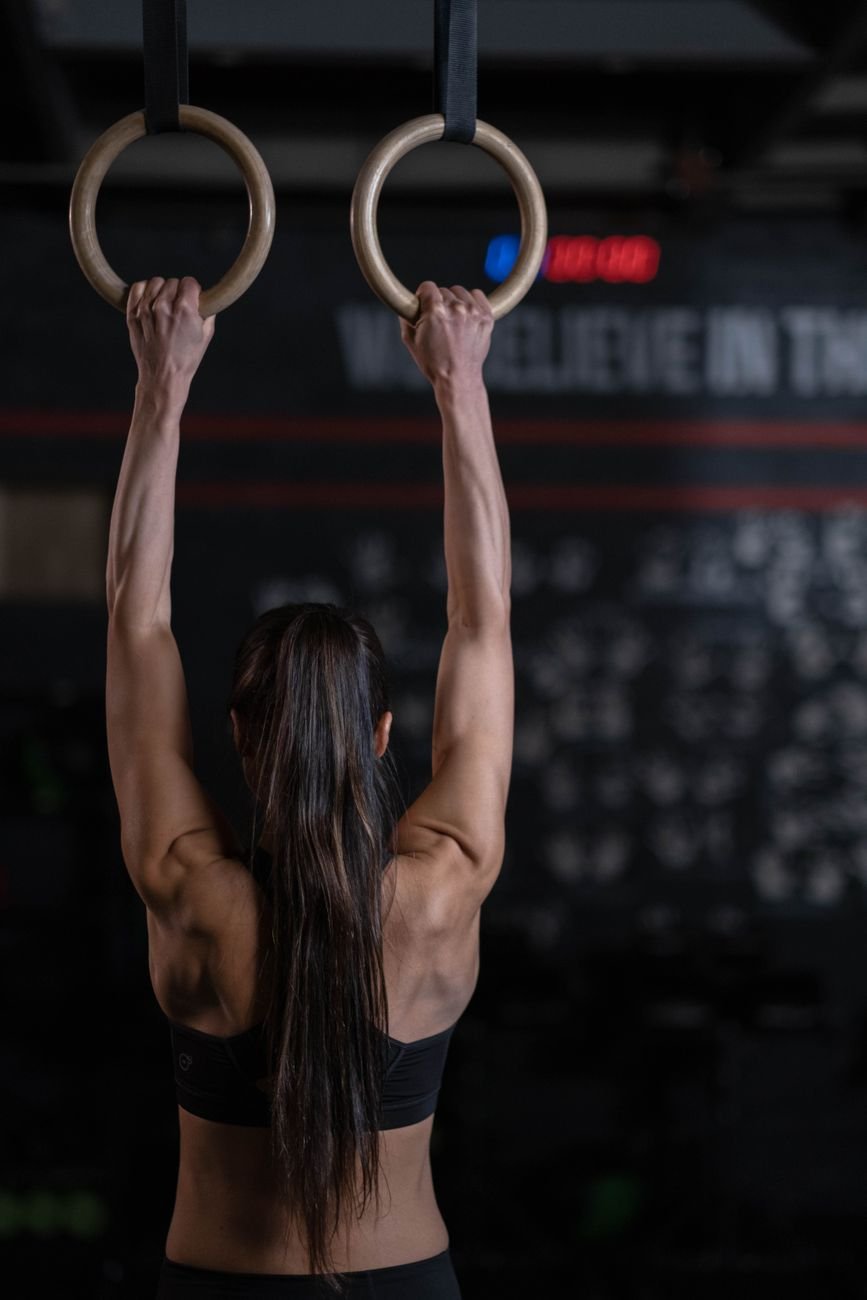
Electrolyte replenishment during intense CrossFit training sessions
Electrolyte tablets work faster than water because they contain the exact minerals your body needs to maintain performance.
What to look for in electrolyte tablets for intense exercise
Not all electrolyte tablets are the same. Some are packed with sugar. Others taste chalky. The best electrolyte tablets CrossFit athletes use have a few key features.
Look for tablets that contain sodium, potassium, calcium, and magnesium. These four minerals do the heavy lifting during intense exercise. Sodium helps your body retain water. Potassium supports muscle function. Calcium and magnesium prevent cramping.
Check the ingredient list carefully. You want zero sugar, it adds empty calories and causes energy crashes. Artificial colours and flavours should be absent. If you're following a specific diet like keto or vegan, verify the tablet fits your requirements.
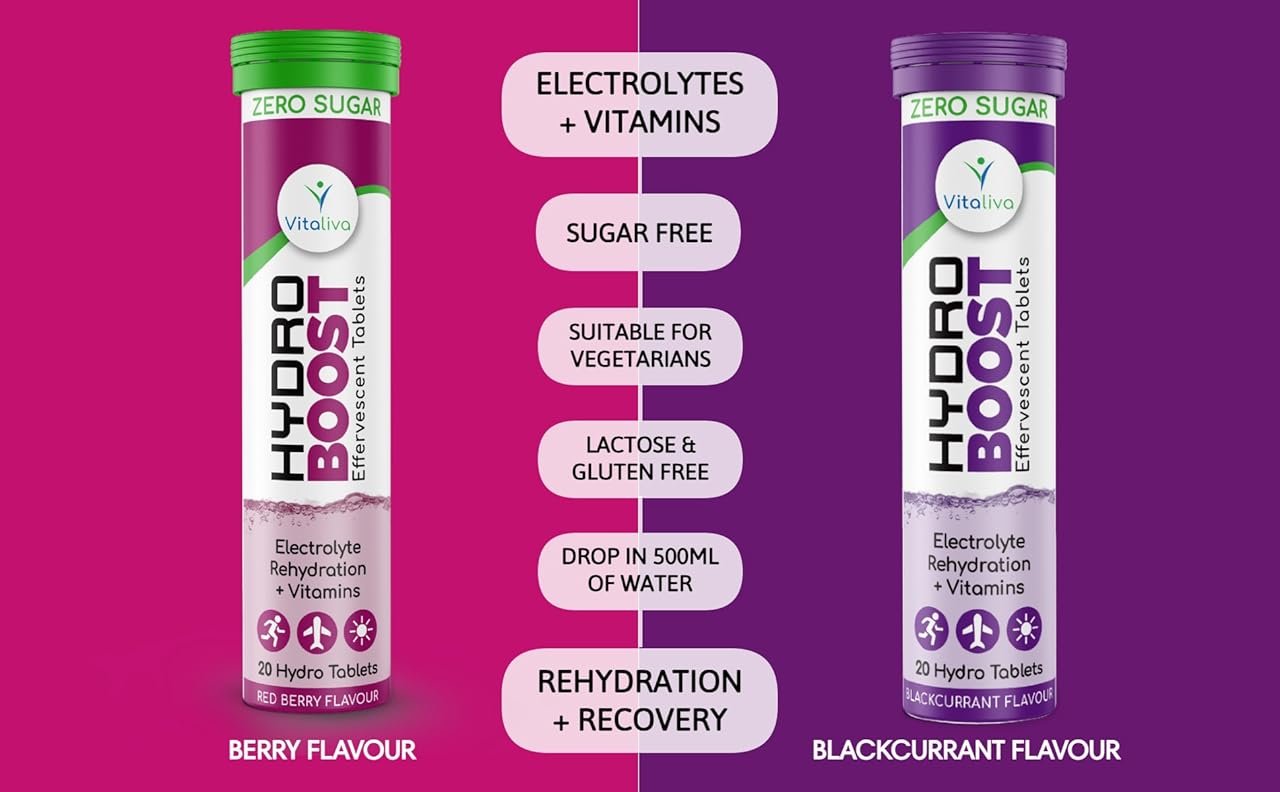
Vitaliva's Hydro Boost tablets contain all four key electrolytes plus B vitamins and vitamin C for muscle recovery. They're sugar-free, lactose-free, caffeine-free, and gluten-free. The formula works for vegans, vegetarians, and anyone following a keto diet.
When to take electrolytes during exercise
Timing matters more than most athletes realise. Taking electrolytes at the right moment maximises their effect on your performance.
Start hydrating before your workout begins. Drink water with electrolytes 15-20 minutes before you start. This primes your system and ensures electrolytes are already circulating when you begin sweating.
During your workout, take electrolytes every 30-45 minutes if your session runs longer than an hour. Short, intense CrossFit sessions under 60 minutes may only need one dose mid-workout. Longer conditioning pieces or training days with multiple sessions benefit from regular electrolyte replacement.
The key is consistency. Don't wait until you feel thirsty or cramped. By then, you're already behind on hydration.
Electrolyte tablets before or after workout: timing strategies
The best approach uses electrolytes both before and after your session. This bookend strategy maximises recovery and performance.
Before your workout: Take electrolyte tablets 15-20 minutes before you start. This gives your body time to absorb the minerals. You'll feel the difference within the first few minutes of exercise, steadier energy, better focus.
During your workout: For sessions over 60 minutes, take another tablet at the halfway point. This maintains electrolyte levels as you sweat.
After your workout: This is where many athletes miss the mark. Your muscles need electrolytes to recover properly. Take electrolytes within 30 minutes of finishing. This accelerates recovery and reduces next-day soreness.
The timing strategy depends on your workout length. A 30-minute CrossFit class needs pre-workout electrolytes. A 90-minute training day needs pre-, mid-, and post-workout doses, and remember to sip not gulp - this helps absorption through peristalsis.
Hydration for high-intensity training: building your routine
Building a hydration routine takes planning. Most athletes guess and hope, then wonder why they're cramping or fatigued.
Start by knowing your sweat rate. How much fluid do you lose during a typical CrossFit session? Weigh yourself before and after a one-hour workout. The difference is roughly how much you're sweating. A 1-2 kilogram loss means you need aggressive hydration.
Create a simple routine:
Hydro Boost Blackcurrant Flavour →
- 500ml water with electrolytes 20 minutes before training
- 250ml water with electrolytes every 30 minutes during long sessions
- 500ml water with electrolytes within 30 minutes after finishing
Track what works. Some athletes need more electrolytes. Others need less. Your routine should match your body, not generic guidelines.
Vitaliva's Hydro Boost tablets dissolve instantly in water. One tablet per 500ml gives you a consistent dose every time. No measuring, no guessing. One hydro tablet in 500ml of water makes an electrolyte solution for optimal cellular rehydration.
Zero-sugar electrolyte tablets: why they work for CrossFit
Sugar in electrolyte drinks seems helpful. It's not. Sugar causes energy crashes, bloating, and digestive issues during intense exercise. A point to note, more glucose than sodium slows down absorption or even cause dehydration. The relationship between glucose and sodium dictates how quickly your body hydrates.
Zero-sugar electrolyte tablets work because they deliver minerals without the metabolic burden of sugar. Your body absorbs the electrolytes directly. No insulin spike. No energy crash. No stomach distress.
This matters during CrossFit because your digestive system is already working hard. Adding sugar creates extra stress. Zero-sugar formulas let your body focus entirely on performance and recovery.
The science is straightforward: electrolytes work through osmosis and ion balance, not energy provision. Sugar is unnecessary. Removing it improves absorption and prevents the common side effects athletes experience with sugary drinks.
Common mistakes to avoid when using electrolyte tablets
Most athletes make the same errors with electrolyte tablets. Knowing what to avoid saves time and money.
Mistake 1: Taking them too late. Electrolytes work best when taken before and during exercise, not hours after. Your body can't absorb them as effectively once your workout is complete.
Mistake 2: Using them only when you feel symptoms. Cramping and fatigue mean you're already depleted. Prevention is far easier than cure. Start electrolytes before symptoms appear.
Mistake 3: Choosing sugary formulas. Sugar sounds like energy, but it's a liability during intense training. It causes crashes and digestive issues.
Mistake 4: Not adjusting for workout length. A 30-minute session needs different electrolyte timing than a 90-minute training day. Match your strategy to your actual workout.
Mistake 5: Forgetting post-workout electrolytes. Recovery starts immediately after you finish. Your muscles are primed to absorb minerals. Skip this window and you're leaving performance on the table.
The most common mistake is inconsistency. Electrolytes work best as part of a consistent routine over weeks, not a one-time fix.
Frequently Asked Questions
Should you take electrolytes before or after CrossFit?
The best approach is to take electrolyte tablets during and after your session. Before CrossFit, focus on hydrating with water 2-3 hours beforehand. During intense training lasting over 60 minutes, electrolyte tablets help replace sodium lost through sweat and maintain performance. After your workout, take them to speed recovery and restore electrolyte balance. This timing maximises your body's ability to absorb and use the minerals effectively.
Are zero-sugar electrolyte tablets suitable for CrossFit?
Yes, zero-sugar electrolyte tablets work exceptionally well for CrossFit. They deliver essential sodium, potassium, magnesium, and calcium without added sugars, making them ideal for athletes managing their carbohydrate intake or following keto or low-carb diets. Products like Hydro Boost contain B vitamins and vitamin C for energy support, plus zinc for immune function—all without artificial sweeteners or colours. This makes them a clean, effective choice for high-intensity training.
How do you know if you need electrolytes during training?
You need electrolytes if your training session exceeds 60 minutes, you're sweating heavily, or you experience cramping, fatigue, or headaches during or after workouts. Electrolytes are particularly important in warmer conditions when sweat loss increases. If you're training intensely several times per week, regular electrolyte supplementation helps prevent performance dips and speeds recovery between sessions. Pay attention to how you feel—persistent fatigue or muscle cramps often signal electrolyte depletion.
Can you take electrolyte tablets every day?
Yes, you can take electrolyte tablets daily, especially if you train regularly or travel frequently. Zero-sugar, keto-friendly formulas are designed for ongoing use without negative health effects. However, dosage depends on your activity level and sweat rate. On rest days or lighter activity days, you may need fewer tablets. On intense training days, one tablet per 30-60 minutes of exercise is typical. Always follow the product instructions and adjust based on your individual needs and climate.
Proper hydration separates good CrossFit athletes from great ones. Electrolyte tablets aren't optional, they're foundational. Vitaliva's Hydro Boost tablets give you sodium, potassium, calcium, and magnesium in a zero-sugar, keto-friendly formula that dissolves instantly. Available in blackcurrant and red berry flavours, they fit any diet and any training schedule. Get started with Vitaliva Hydro Boost and experience faster recovery, fewer cramps, and steadier energy through every workout.