

Highfive Alternative for Vegan Athletes: What to Know
Table of Contents
- Why Vegan Athletes Are Looking for a Highfive Alternative
- What Vegan Electrolyte Tablets Should Contain (and What to Avoid)
- Highfive Alternative Options: Tablets, Powders and Capsules Compared
- Electrolytes for Endurance Training: What Vegan Athletes Lose in Sweat
- How to Replace Electrolytes After Exercise (Step by Step)
- Sugar-Free Electrolyte Tablets: Why They Suit Vegan Training
- Common Mistakes Vegan Athletes Make When Switching Electrolyte Brands
- Choosing Your Highfive Alternative: A Simple Decision Guide
- Frequently Asked Questions
Last Updated: 12 October 2026
Why Vegan Athletes Are Looking for a Highfive Alternative
When you train hard on a plant-based diet, your sweat losses do not care about brand loyalty. They care about sodium, potassium, magnesium and calcium, and they take them whether your drink mix is vegan or not. That is the gap a Highfive alternative for vegan athletes is meant to close: the same electrolyte replacement, without the ingredient list you have to squint at.
At Vitaliva, we hear this constantly from runners, lifters and CrossFit regulars who read every label. Many find that mainstream electrolyte brands either hide animal-derived carriers in the "natural flavourings" line or pad the formula with sugar they do not want. The fix is not to drink more water. Plain water dilutes what you have already lost.
Below, we break down what vegan electrolyte tablets should contain, how tablets, powders and capsules compare, and how to replace electrolytes after exercise without guessing. The decision guide at the end is the part most people skip, and it is the part that saves money.
What Vegan Electrolyte Tablets Should Contain (and What to Avoid)
A vegan electrolyte tablet should deliver four key minerals, sodium, potassium, magnesium and calcium, with no animal-derived ingredients and no added sugar. Anything else is optional.
Sodium, Potassium, Magnesium and Calcium
Sodium is the one you lose most of in sweat, and it is the one most "healthy" electrolyte products under-dose. Potassium works alongside it for muscle function. Magnesium supports muscle relaxation and can help with cramping, while calcium plays a role in muscle contraction.
What most guides miss is the ratio. A tablet that is heavy on potassium and light on sodium looks impressive on the label but does little for a heavy sweater. Check the sodium figure first, then everything else.
Added Vitamins and Zero Sugar
Vitamins B and C are a sensible addition for athletes training most days, and zinc supports normal immune function during heavy blocks. Sugar is where things get murky.
Some brands add glucose to speed absorption. That is a legitimate sports-science argument, but it is a poor fit if you are keto, watching carbs, or simply do not want sugar in your daily hydration. Sugar-free electrolyte tablets solve that, and they are the format we build around.
Highfive Alternative Options: Tablets, Powders and Capsules Compared
Tablets are the most convenient for travel and single servings, powders are cheapest per serving, and capsules are the least effective for rapid rehydration because they dissolve slowly and often contain too little sodium. Format matters more than most people admit.
Format |
Best For |
Main Trade-Off |
Portability |
|---|---|---|---|
Effervescent tablets |
Travel, gym bags, single servings |
Higher cost per serving |
Excellent |
Powder tubs |
Daily training at home |
Measuring, clumping, bulk |
Poor |
Capsules |
Swallowing on the move |
Slow uptake, low sodium per dose |
Good |
Here is the honest version of that table. Powder wins on price every time, and if you train at home with a scoop and a shaker, it is hard to beat. Tablets win on everything else. A point to remember not all capsules are vegan friendly and often sourced from animal derived gelatine.
They do not spill in a gym bag. They do not clump after a month in a humid kitchen. You can drop one in a glass at a hotel and know exactly what you are getting. For anyone who travels or trains away from home, that convenience is the whole point.
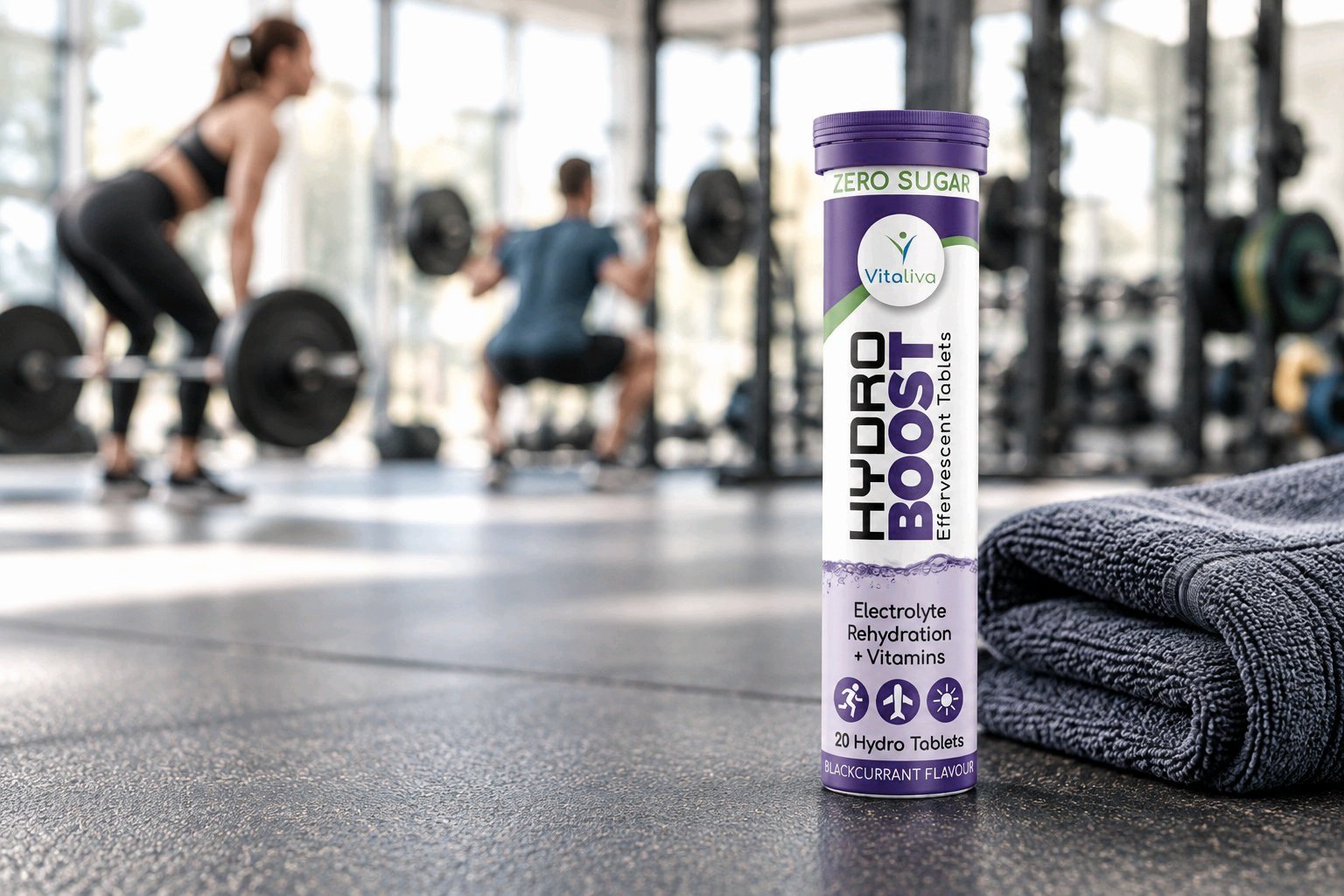
Vitaliva's Hydro Boost sits in the tablet camp, and it is the format we would recommend to most vegan athletes for that reason. A twin pack of 40 effervescent tablets is £8.99. That is more than a bulk powder scoop, and we will not pretend otherwise. What you are paying for is a formula you can carry, that is sugar-free, vegan, keto-friendly and totally free from lactose and gluten, with no artificial colours, flavours or preservatives. As an SME and a newcomer to the UK market, Hydro Boost sells on average 1,000 packs a month to happy customers who have helped us maintain an impressive 4.5-star rating on Amazon.
Electrolytes for Endurance Training: What Vegan Athletes Lose in Sweat
Endurance athletes lose more than water. Sweat carries sodium, potassium, magnesium and calcium, and the sodium concentration varies enormously between individuals. Two runners on the same route in the same weather can lose very different amounts.
This is why electrolytes for endurance training cannot be a one-size-fits-all recommendation. A heavy, salty sweater doing long sessions in warm conditions needs more sodium than a light sweater doing short indoor work. The common mistake is copying someone else's protocol because they run faster than you.
Plant-based athletes are not at a disadvantage here. The minerals lost in sweat are the same regardless of diet. The difference is that a vegan diet can be naturally rich in potassium and magnesium from vegetables, legumes and nuts, so some athletes find their magnesium and potassium needs are already well covered, while sodium remains the gap. That is another reason to read the sodium number first.
How to Replace Electrolytes After Exercise (Step by Step)
Replace electrolytes after exercise by drinking a sodium-led electrolyte solution within the first hour, alongside water and a normal meal. The order matters less than the consistency.
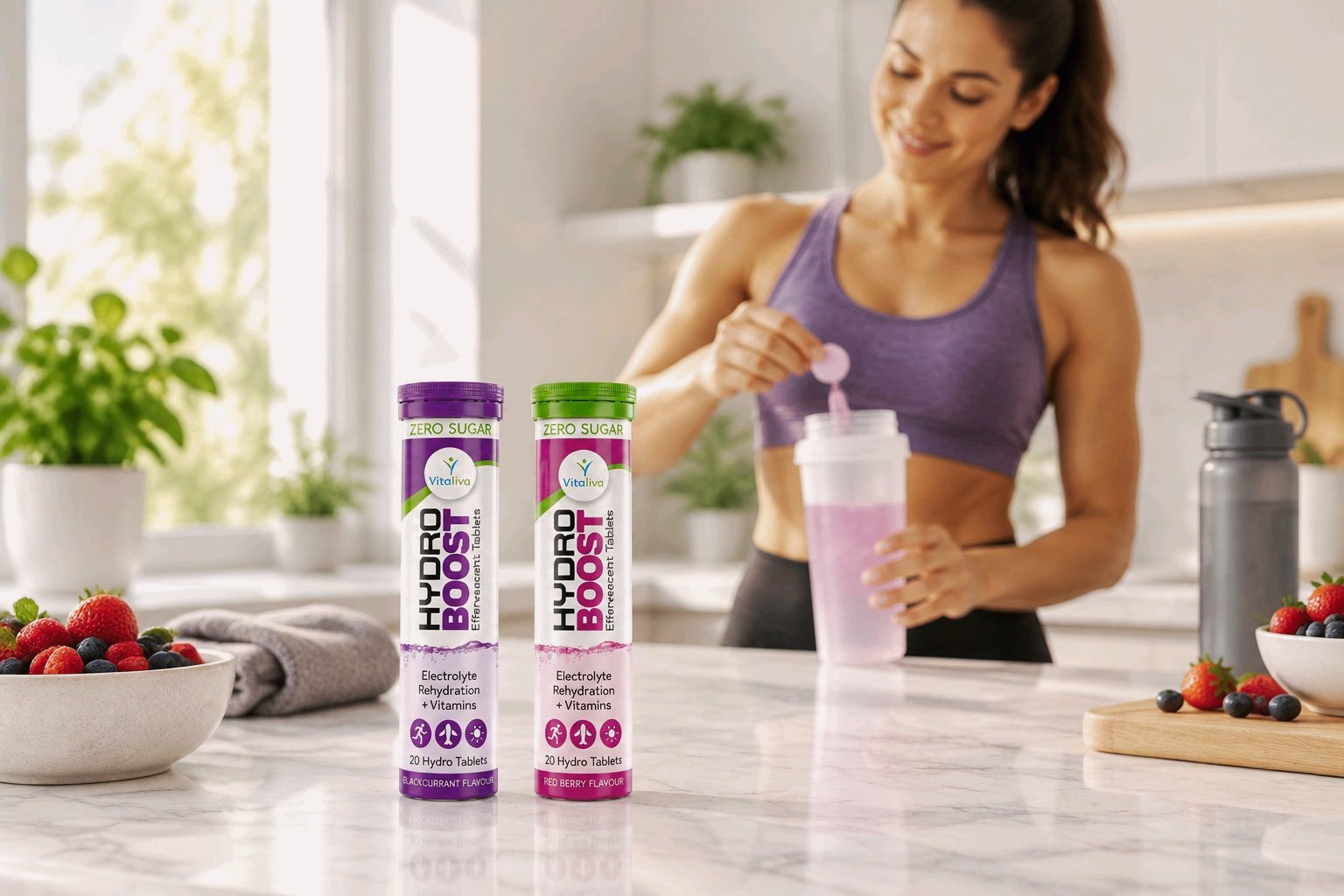
Hydro Boost Blackcurrant Flavour →
- Finish your session and weigh yourself if you want a rough sweat-loss estimate.
- Drink 500ml of water with one effervescent tablet dissolved in it.
- Eat within two hours, ideally with some protein and carbohydrate.
- Repeat if your session ran longer than 90 minutes or you sweated heavily.
- Continue sipping water through the rest of the day.
Timing Your Intake
The first hour after training is when you will absorb and retain fluid most readily, so that is the window to aim for. If you are a heavy sweater or training twice in a day, add a second tablet later in the afternoon rather than doubling up at once.
For long sessions over 90 minutes, take a tablet during the session, not just after. Cramping usually starts before you finish, not after.
Sugar-Free Electrolyte Tablets: Why They Suit Vegan Training
Sugar-free electrolyte tablets suit vegan training because they deliver the minerals without carbohydrate you may not want or need. If your training is under an hour, or you are following a keto or low-carb approach, added sugar in your hydration is working against you.
There is a counterargument worth knowing: glucose can speed sodium and water absorption. For long endurance events, some athletes deliberately use a carbohydrate-electrolyte drink. That is a valid choice for race day. It is a poor default for the Tuesday session and the rest of your week.
Zero sugar also means you can drink it in the evening without it sitting heavily, and it fits a keto-friendly brief without hidden carbs. Vitaliva's Hydro Boost is built on that principle, with B vitamins, vitamin C and zinc alongside the four key minerals.

Common Mistakes Vegan Athletes Make When Switching Electrolyte Brands
The biggest mistake is switching brands and changing nothing else. If your old product had sugar and your new one does not, your total carbohydrate intake from hydration drops. For most people that is fine, but during long events you may need to replace those carbs elsewhere.
Three more that come up often:
- Assuming "natural flavourings" means vegan. It does not. Check for a clear vegan statement.
- Buying on taste alone. A chalky tablet you avoid drinking is worse than a plain one you finish.
- Ignoring sodium content because the colourful label shouts about potassium and magnesium.
A common mistake is also over-buying. Start with one pack, use it through a full training week, and see whether cramping and post-session headaches actually improve before committing to a bulk order.
Choosing Your Highfive Alternative: A Simple Decision Guide
Use this to pick in under two minutes.
- If you travel or train away from home: choose effervescent tablets.
- If you train at home daily and want the lowest cost per serving: choose a powder tub.
- If you are keto or low-carb: choose a sugar-free tablet.
- If you cramp heavily or sweat a lot: prioritise the highest sodium option you can find.
- If you are unsure: start with a small pack and test it across a full training week.
That last point is the one we would push hardest. The best Highfive alternative for vegan athletes is not the one with the longest ingredient list. It is the one you will actually use consistently, in the format that fits where you train, at a price per serving you are happy to repeat.
Getting hydration right is a habit, not a one-off purchase, and the athletes who solve cramping and post-session headaches are the ones who keep a reliable option within reach. Vitaliva's Hydro Boost is a zero-sugar, effervescent electrolyte tablet with sodium, potassium, calcium and magnesium, plus B vitamins, vitamin C and zinc, and it is suitable for vegans, vegetarians and keto diets. It comes in Blackcurrant and Red Berry, both at £8.99 for a twin pack. Get started with Vitaliva and keep a tube in your gym bag, so the next session does not leave you guessing.
Frequently Asked Questions
Is Highfive suitable for vegan athletes?
Many Highfive products use plant-based ingredients, but not every item in the range is certified vegan, so it is worth checking the label on the specific product you buy. If you want a Highfive alternative for vegan athletes that removes the guesswork, look for a product that states it is suitable for vegans on the packaging, such as Vitaliva Hydro Boost, which is sugar-free, gluten-free and suitable for vegans and vegetarians.
What should vegan athletes look for in an electrolyte drink?
Check four things: the electrolyte profile (sodium, potassium, magnesium and calcium), whether it is certified vegan, the sugar content, and the price per serving. Vegan electrolyte tablets that combine all four minerals with added B vitamins and vitamin C give you more than just salt replacement. Avoid products with whey, lactose or gelatine, and check that any flavourings or colourings are plant-based.
Are zero-sugar electrolyte tablets suitable for vegan athletes?
Yes. Sugar-free electrolyte tablets are often a better fit than sugary sports drinks because they replace the minerals you lose in sweat without adding empty calories. This matters if you are training for endurance, managing weight or following a keto diet alongside a vegan one. Look for tablets that are sugar-free, vegan and free from artificial colours and preservatives, and check the label for hidden carbs if you are keto.
Do vegan athletes need electrolyte supplements?
Vegan athletes lose the same electrolytes through sweat as anyone else, and plant-based diets can be lower in some minerals depending on food choices. Endurance sessions lasting over an hour, hot-weather training and heavy sweating all increase your needs. A sugar-free electrolyte tablet taken before, during or after training helps replace what you lose and supports hydration, energy levels and recovery.