
Table of Contents
- What You'll Need Before You Start
- Why Muscle Cramps Strike Mid-Session
- The Two Main Triggers: Fluid Loss and Sodium Depletion
- Signs of Electrolyte Imbalance During Training
- Best Electrolyte Tablets for Exercise and How to Use Them
- Stretching Routines to Prevent Muscle Tightness
- Common Mistakes That Keep Cramps Coming Back
- Frequently Asked Questions
Last Updated: September 25, 2026
What You'll Need Before You Start
You cannot out-train a cramp. You can only out-prepare one.
Learning how to prevent muscle cramps during exercise comes down to three things: fluid, electrolytes and a warm-up you actually do. Get those right and most mid-session cramps never arrive.
Here is what to have ready before your next session:
- A water bottle you will actually finish. Aim to sip, not gulp. It helps peristalsis.
- Electrolyte tablets. These replace the sodium and potassium you lose in sweat.
- A foam roller or massage ball. For tight calves and hamstrings.
- A pre-workout snack with salt. A pinch of salt in your drink works fine.
- Loose, breathable kit. Tight clothing restricts blood flow to working muscles.
At Vitaliva, we make zero-sugar, zero-caffeine electrolyte tablets with vitamins including magnesium.
Why Muscle Cramps Strike Mid-Session
A muscle cramp is a sudden, involuntary contraction that will not relax. It usually hits the calf, hamstring or foot, and it tends to arrive when you are pushing hardest.
The timing is no accident. Cramps often strike when fatigue builds and your fluid balance slips. Your muscles are working flat out, your nerves are firing fast, and your body has run low on the minerals that keep contractions controlled.
Two things make this worse:
- Heat. You sweat more, so you lose more fluid and salt.
- Going too hard too soon. A cold muscle pushed to full effort cramps faster.
Many athletes find that cramps cluster in the final third of a session. That is the point where dehydration and fatigue stack up together.
The Two Main Triggers: Fluid Loss and Sodium Depletion
Fluid loss and sodium loss are the two biggest drivers of exercise cramps. Fix one without the other and you will still cramp.
Sweat is not just water. It carries sodium, the mineral your muscles need to fire and relax correctly. When you sweat heavily, you lose both fluid and salt. Drinking plain water replaces the fluid but fuether dilutes what sodium is left. That can leave you worse off.
A common mistake is drinking litres of water and still cramping. The missing piece is usually sodium.
So the fix has two parts:
- Replace fluid at a steady rate through the session.
- Replace sodium with an electrolyte drink or tablet.
For sessions under an hour, water is often enough. For long or sweaty sessions, add electrolytes.
Signs of Electrolyte Imbalance During Training
Spotting the signs of electrolyte imbalance during training early lets you act before a cramp stops you. The warning signs usually show up before the cramp itself.
Watch for these:
- Twitching or rippling muscles. A calf that flickers is a calf about to seize.
- A dull, heavy ache in the legs or feet.
- Headache or dizziness during or after the session.
- Feeling unusually tired for the effort you are putting in.
- Dark yellow urine after training.
- Nausea or a sloshing stomach from drinking too much plain water.
If you notice two or more of these, stop and drink an electrolyte mix. Catching it early is far easier than fixing a full cramp.
Best Electrolyte Tablets for Exercise and How to Use Them
The best electrolyte tablets for exercise are the ones you will actually use every session. Taste, convenience and a clean ingredient list matter more than fancy claims.
Here is how to choose and use them:
- Check the sodium content. Sodium is the mineral you lose most in sweat.
- Look for potassium, calcium and magnesium alongside sodium.
- Avoid added sugar if you want steady energy without a spike.
- Drop one tablet in 500ml of water and let it dissolve.
- Sip through the session, not all at once.
- Start before you feel thirsty. Thirst lags behind need.
[Vitaliva's Hydro Boost Twin Pack](https://vitaliva.co.uk/products/hydro-boost-rehydration-tablets) is built for exactly this. Each tablet contains sodium, potassium, calcium and magnesium, plus B vitamins, vitamin C and zinc for immune support. It is sugar-free, keto-friendly, vegan and gluten-free, with no artificial colours or flavours. A twin pack costs £8.99.

What to Check |
Why It Matters |
What to Look For |
|---|---|---|
Sodium (salt) content |
Main mineral lost in sweat |
Listed clearly on the label |
Sugar |
Affects energy and keto diets |
Zero-sugar options |
Extra minerals |
Support muscle function |
Potassium, calcium, magnesium |
Diet fit |
Suits your lifestyle |
Vegan, gluten-free, keto-friendly |
Format |
Affects how often you use it |
Effervescent tablets, easy to carry |
Stretching Routines to Prevent Muscle Tightness
Stretching routines to prevent muscle tightness work best when they are regular, not occasional. A tight muscle cramps more easily than a loose one.
Build these into your week:
- Calf stretch against a wall. Hold 30 seconds per leg, twice daily.
- Standing hamstring stretch. Keep your back straight, hold 30 seconds.
- Quad stretch while standing. Pull your heel towards your glutes.
- Foot and toe stretch. Roll your arch over a ball for a minute.
- Dynamic warm-up before training. Leg swings, lunges and ankle circles.
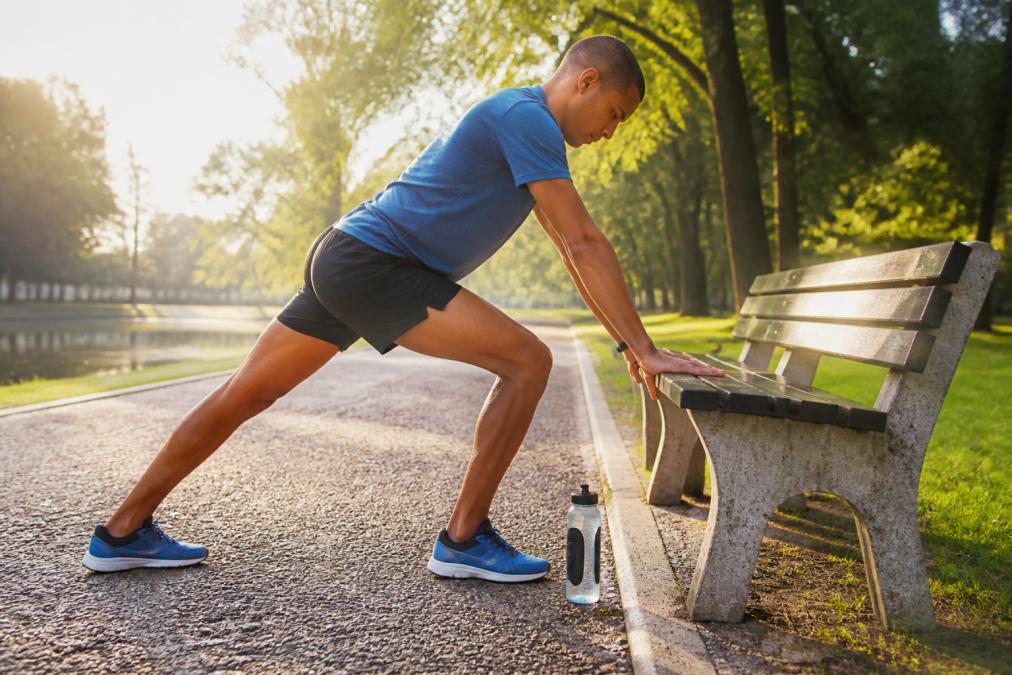
Static stretches belong after training or on rest days. Before a session, use dynamic moves to wake the muscles up.
Common Mistakes That Keep Cramps Coming Back
The same few mistakes keep cramps returning, even for fit athletes. Fixing them is often simpler than people expect.
- Only drinking water. You replace fluid but not sodium.
- Waiting until you cramp to reach for electrolytes.
- Skipping the warm-up on short sessions.
- Wearing tight kit that restricts circulation.
- Training hard in the heat without adjusting your fluid plan.
- Ignoring early warning signs like twitching or heavy legs.
- Overdoing plain water, which dilutes sodium further.
The pattern is clear. Cramps rarely come from one big error. They come from small gaps that stack up over a session.
Cramps are frustrating, but they are rarely random. They are your body telling you that fluid and sodium ran low before the session ended. Fix the daily habits, not just the mid-workout moment.
Hydro Boost tablets make that easy. Each one delivers sodium, potassium, calcium and magnesium with B vitamins, vitamin C and zinc, in a zero-sugar, vegan, gluten-free formula that suits keto diets too. A twin pack costs £8.99, and with around 1,000 packs sold a week and 88% of customers on Amazon rating us 4 stars or better, it is a simple habit to build.

Hydro Boost Twin Pack Offer
Get started with Vitaliva and keep your sessions cramp-free.
Frequently Asked Questions
What is the main cause of muscle cramps during exercise?
Most exercise cramps come from a combination of fluid loss and sodium depletion through sweat. When you sweat heavily, you lose water and electrolytes, particularly sodium, potassium and magnesium. That imbalance disrupts the nerve signals controlling muscle contraction, triggering a cramp. Fatigue and an unfamiliar training load can also play a part, but hydration and electrolyte balance are the factors you can control most directly. Drinking plain water alone during long or hot sessions may not replace what you have lost.
Do electrolyte tablets help prevent muscle cramps?
They can, particularly when your cramps are linked to heavy sweating. Electrolyte tablets replace sodium, potassium, calcium and magnesium, which water alone does not. For sessions lasting over an hour, or any training in warm conditions, adding electrolytes to your drink helps maintain the balance your muscles need to contract and relax properly. Choose a sugar-free option if you want hydration support without extra calories. Taking them consistently, not just when a cramp hits, gives the best results.
How do I stop a muscle cramp immediately during a workout?
Stop the activity and stretch the affected muscle gently but firmly. For a calf cramp, straighten your leg and pull your toes towards you. Hold for 15 to 30 seconds, then release slowly. Massaging the muscle and applying warmth can help it relax. Once the cramp eases, sip an electrolyte drink to address the underlying cause rather than pushing straight back into intense effort. If cramps return repeatedly in the same session, end the workout and rehydrate properly.
Are muscle cramps a sign of dehydration or lack of salt?
Often both. Dehydration concentrates your remaining electrolytes, while heavy sweating depletes sodium specifically. The two usually happen together, which is why drinking large amounts of plain water during a long session can sometimes make cramps worse by diluting sodium further. Watch for other signs of electrolyte imbalance during training, such as headaches, dizziness, nausea or a lingering heavy feeling in the legs. A drink containing sodium, potassium and magnesium, like Hydro Boost, addresses both sides of the problem at once.