Science in Sport vs Hammer Nutrition: Which Is Better?
Table of Contents
- Science in Sport vs Hammer Nutrition: The Core Differences
- SiS vs Hammer Nutrition Electrolytes: Formulas, Sugar and Taste
- Best Energy Gels for Running: How SiS and Hammer Compare
- Sugar-Free Electrolyte Tablets: Where SiS and Hammer Fall Short
- Who Each Brand Suits: Runners, Cyclists and Everyday Athletes
- Pros and Cons: Science in Sport vs Hammer Nutrition at a Glance
- Conclusion
- Frequently Asked Questions
Last Updated: October 17, 2026
Science in Sport vs Hammer Nutrition: The Core Differences
Science in Sport vs Hammer Nutrition is a comparison between two very different sports nutrition houses. Science in Sport, usually shortened to SiS, is a mass-market brand built for everyday training and racing. Hammer Nutrition is a niche American import with a devoted following and a strong stance against sugar. Neither brand suits every athlete.
The core difference comes down to philosophy. SiS builds products around fast carbohydrate delivery, which means sugar appears in most of its range. Hammer Nutrition leans towards sustained, lower-sugar fuelling and positions itself around endurance athletes who want to avoid sharp spikes. That single choice shapes everything else: taste, texture, price and who each brand suits.
Below, we break down how the two compare on electrolytes, gels, tablets and everyday use, so you can pick the right one for your training.
SiS vs Hammer Nutrition Electrolytes: Formulas, Sugar and Taste
SiS vs Hammer Nutrition electrolytes is where the split becomes obvious. SiS electrolyte products generally combine salts with a carbohydrate base, so they double as fuel. Hammer's electrolyte range is built around a sugar-free or very low-sugar model, with hydration as the primary job rather than energy delivery.
Taste follows the formula. SiS drinks tend to be sweeter and more assertive because sugar carries flavour. Hammer's low-sugar options can taste flatter or more medicinal to anyone used to a sweet sports drink. Neither is wrong; it depends on what you can stomach mid-effort.
One thing worth flagging: "sugar-free" on a label does not always mean zero carbohydrate. If you are keto or watching carbs closely, read the full nutritional panel rather than the front of the pack. The same caution applies to any electrolyte tablet, including ours.
Best Energy Gels for Running: How SiS and Hammer Compare
For the best energy gels for running, SiS is the more straightforward choice. Its gels are built for quick carbohydrate hits, easy to carry and widely stocked, which matters when you need a gel at mile 20 and the local running shop only carries one brand.
Hammer's gels follow a different logic. They tend to favour sustained release and gentler formulations, which appeals to ultrarunners and long-distance cyclists who want steady fuelling rather than a spike. The trade-off is that some athletes find them less punchy when they need fast energy.
A common mistake is choosing a gel based on brand loyalty rather than gut tolerance. Test any gel in training, never on race day. Texture and sweetness are personal, and a gel that sits badly will cost you more than it gives.
Sugar-Free Electrolyte Tablets: Where SiS and Hammer Fall Short
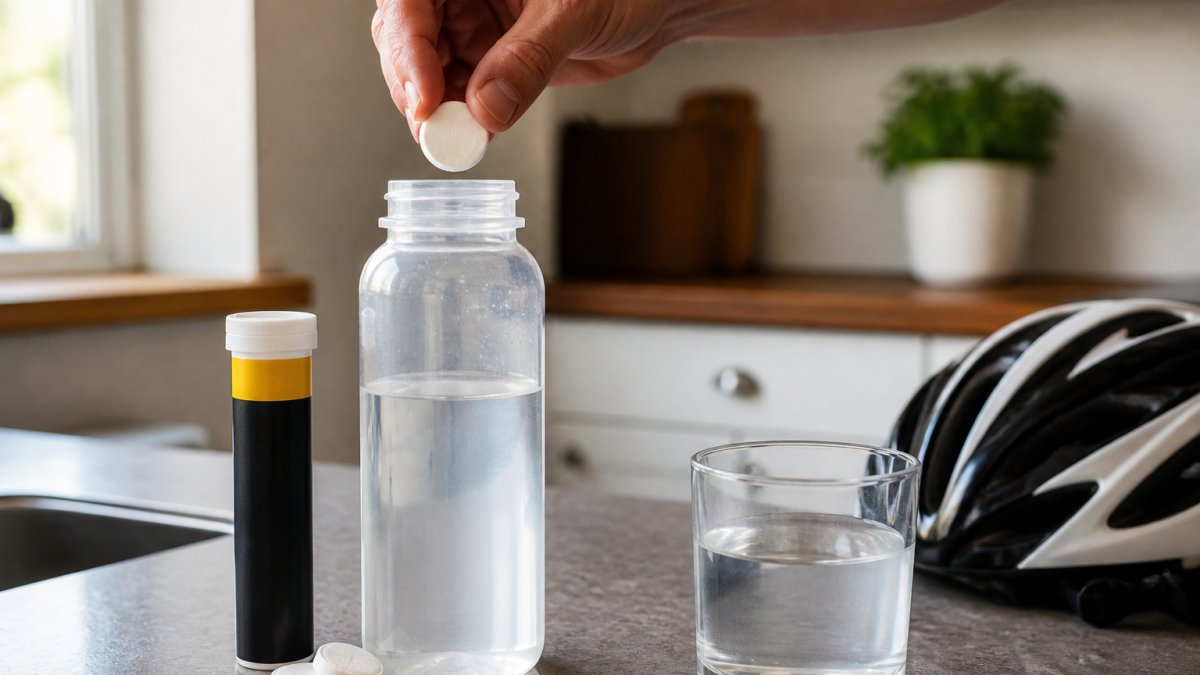
Sugar-free electrolyte tablets are a growing category, and both brands have gaps here. SiS is primarily a powder and gel business, so its tablet range is narrower. Hammer offers tablets, but availability can be patchy and the imported price is often higher than domestic alternatives.
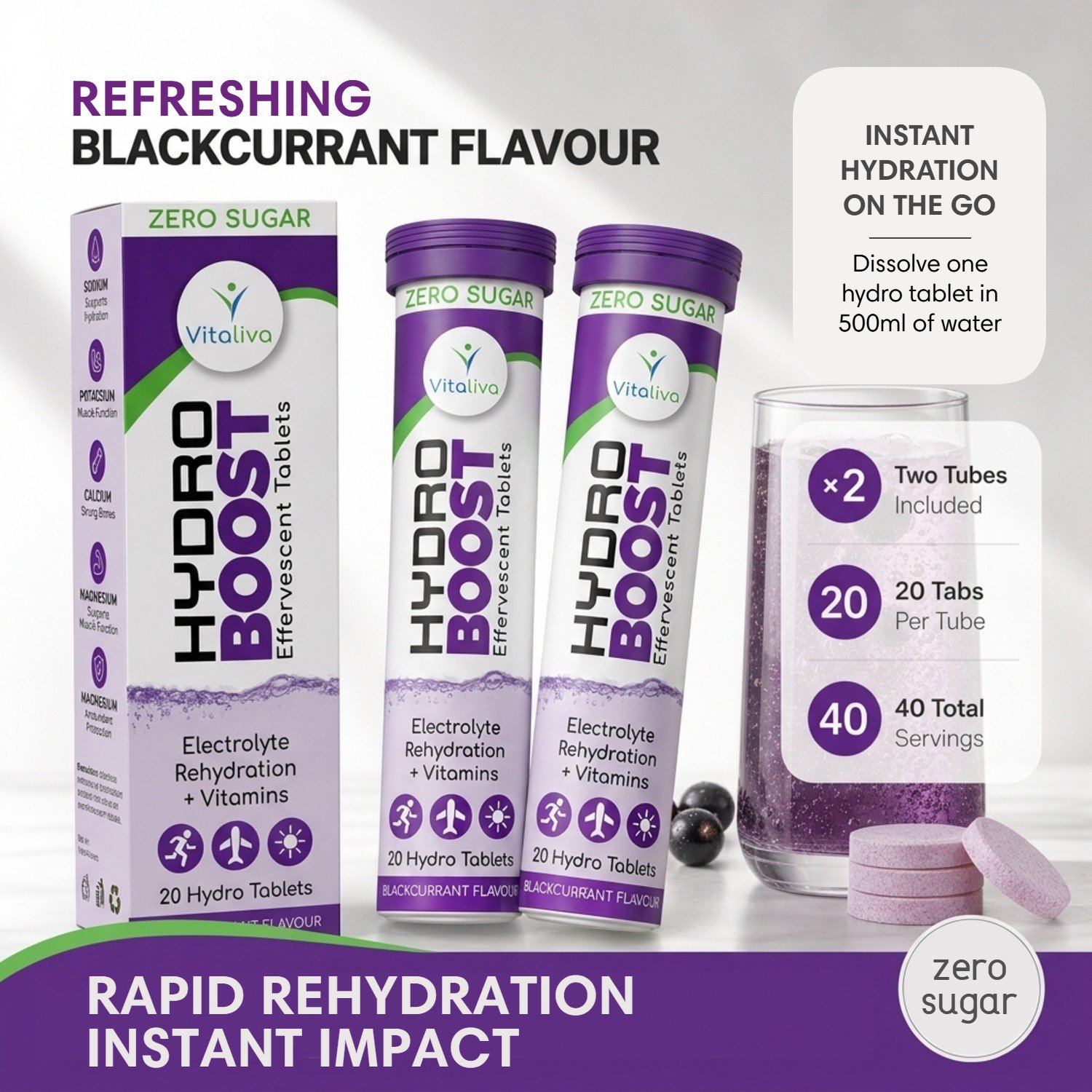
Hydro Boost, available in twin packs delivers 344mg of sodium, often listed as salt on the label, alongside potassium, calcium and magnesium in precise values. It is sugar-free, caffeine-free, lactose-free and gluten-free, so there is no spike and no unwanted extras. Then there’s maltodextrin. It has earned an unfairly negative reputation in recent years. Classed as a carbohydrate, it is true that it metabolises similarly to a simple sugar. However, context matters. On the label for Hydro Boost, you’ll see carbohydrates listed at a mere 0.5g. This minute amount isn't intended as a source of energy; it functions purely as a functional binder and flavour carrier required for tablet compression.
Hydro Boost Blackcurrant Flavour →
Who Each Brand Suits: Runners, Cyclists and Everyday Athletes
SiS suits runners and gym-goers who want affordable, widely available fuelling and do not mind sugar in their drinks. It is the easy default for anyone new to sports nutrition.
Hammer Nutrition suits committed endurance athletes, particularly cyclists and ultrarunners, who have tested low-sugar fuelling and know it works for them. The import cost and patchier availability are the price of that specialism.
Everyday athletes, travellers and keto dieters often fall between the two. They want hydration without sugar and without a big tub of powder. That is exactly the gap our effervescent tablets fill.
Pros and Cons: Science in Sport vs Hammer Nutrition at a Glance
Factor |
Science in Sport |
Hammer Nutrition |
Vitaliva Hydro Boost |
|---|---|---|---|
Sugar content |
Often carbohydrate-based |
Low or no sugar in many lines |
Sugar-free |
Best for |
Everyday training, fast fuel |
Endurance, low-sugar fuelling |
Everyday training, daily hydration, travel, keto |
Format strength |
Powders and gels |
Gels and endurance products |
Effervescent tablets |
Availability |
Wide |
Patchier, imported |
Direct from us or Amazon |
Price |
Budget-friendly |
Higher import cost |
£8.99 per pack |
Key electrolytes |
Salts plus carbs |
Salts, low sugar |
Sodium 344mg, plus K, Ca, Mg, B Vitamins, Vitamin C and Zinc |
The pros and cons of Science in Sport vs Hammer Nutrition come down to fit. SiS is convenient and cheap. Hammer is specialist and low-sugar. Neither is built for the athlete who wants a portable, zero-sugar tablet with a clean label.
Conclusion
Choosing between these two brands is really a question about your training. If you want cheaper, fast fuel and easy availability, SiS is the sensible pick. If you are a committed endurance athlete chasing low-sugar fuelling, Hammer earns its place.
For everyone in between, especially keto dieters, vegans and frequent travellers, a zero-sugar effervescent tablet makes more sense. Our Hydro Boost delivers 344mg sodium with potassium, calcium, magnesium and B vitamins, and we keep overheads low by skipping big sponsorships so the savings reach you. At 1,000 packs a week and an 88% four-star-or-better rating, it is a formula worth trying.
Frequently Asked Questions
Is Science in Sport better than Hammer Nutrition?
Neither brand is better across the board; they suit different athletes. Science in Sport is easier to find in UK shops and tends to be cheaper per serving, which helps if you use gels and powders weekly. Hammer Nutrition focuses on sustained-energy formulas and a wider supplement range, which appeals to long-distance cyclists and triathletes who plan their fuelling in detail. For everyday hydration, sugar-free electrolyte tablets are a simpler option than either brand's drink mixes.
Do Science in Sport and Hammer Nutrition make sugar-free electrolyte tablets?
Both brands are known mainly for powders, gels and chews rather than effervescent tablets. If you want a sugar-free electrolyte tablet, check the label for sodium, potassium, calcium and magnesium content and confirm it is free from sugar, caffeine, gluten and lactose. Hydro Boost tablets, for example, provide 344mg sodium plus potassium, calcium and magnesium, and are sugar-free, caffeine-free, gluten-free and lactose-free.
What should I look for in a sugar-free electrolyte tablet?
Start with the sodium figure, because it does most of the work in replacing what you lose through sweat; 300mg or more per tablet is a practical benchmark. Then check that potassium, calcium and magnesium are listed with actual amounts, not just named in a blend. Look for no sugar, no caffeine, and no artificial colours or flavours, and confirm the tablet is suitable for vegans if that matters to you. Dissolving speed and taste decide whether you will actually keep using it.
How should I choose between energy gels and electrolyte tablets?
Pick based on what you are replacing. Gels deliver carbohydrate for longer runs and rides, usually 20 to 30g per sachet, and suit sessions over about 60 to 90 minutes. Electrolyte tablets replace fluid and minerals lost through sweat and add no meaningful calories, so they work for gym sessions, hot days, travel and everyday hydration. Many athletes use both: tablets in the bottle, gels in the pocket.
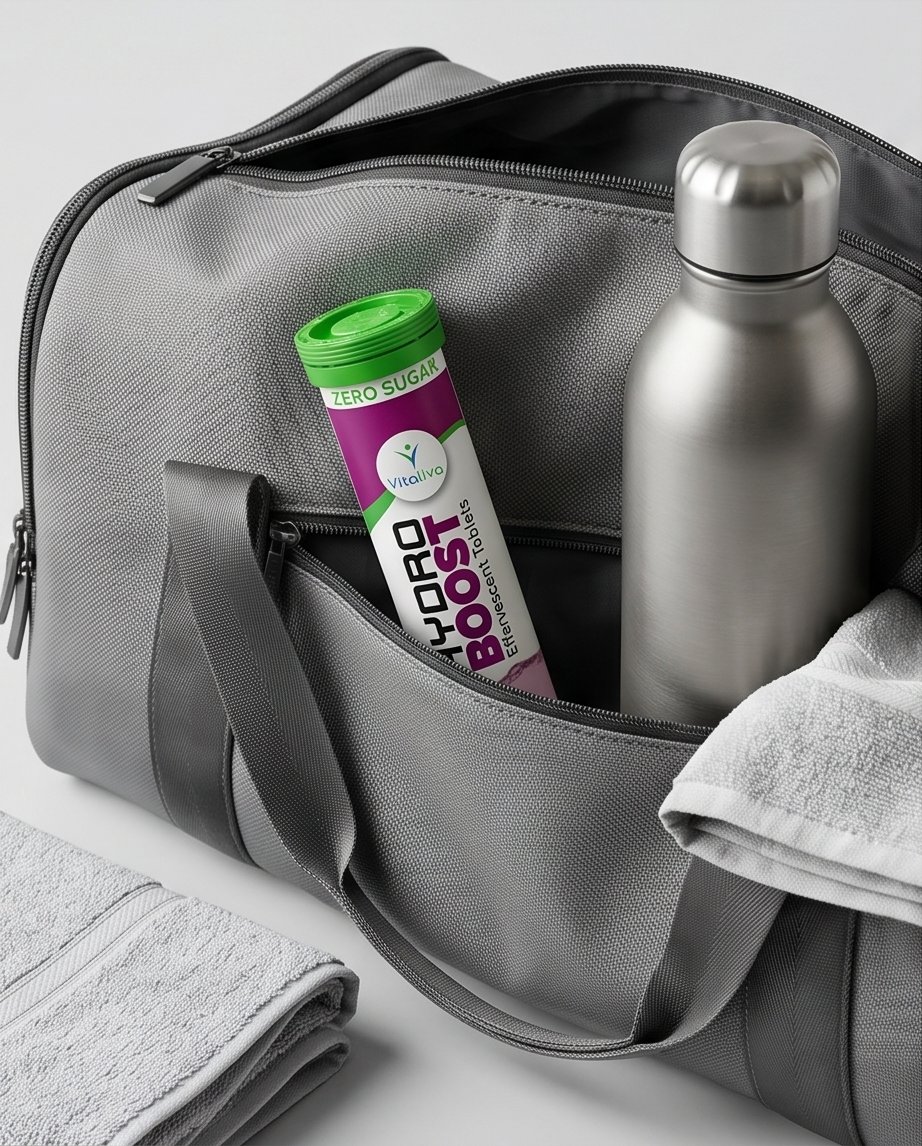
If you want hydration without sugar, spikes or a bulky tub, Hydro Boost is built for exactly that. Add a pack of Hydro Boost Blackcurrant or Hydro Boost Red Berry to your cart and keep a tube in your gym bag, your desk drawer and your travel case.