

Benefits of Effervescent Electrolyte Tablets
Table of Contents
- What Effervescent Electrolyte Tablets Do That Water Alone Cannot
- Signs of Electrolyte Imbalance You Should Not Ignore
- How to Use Electrolyte Tablets for Best Results
- Electrolytes for Travel Recovery: Why Flights Drain You
- Effervescent Tablets vs Powders and Ready-Made Drinks
- What to Check Before Buying Any Effervescent Electrolyte Tablet
- Conclusion: Choosing the Right Electrolyte Support for You
- Frequently Asked Questions
Last Updated: September 29, 2026
What Effervescent Electrolyte Tablets Do That Water Alone Cannot
Plain water rehydrates, but it does not replace the sodium, potassium, magnesium and calcium your body loses through sweat. Effervescent electrolyte tablets dissolve in water to deliver those minerals in a form your gut absorbs quickly, which is why many people find they recover faster than they would on water alone. This guide from Vitaliva breaks down the benefits of effervescent electrolyte tablets, from workout recovery to travel days, and shows you how to use them without wasting money.
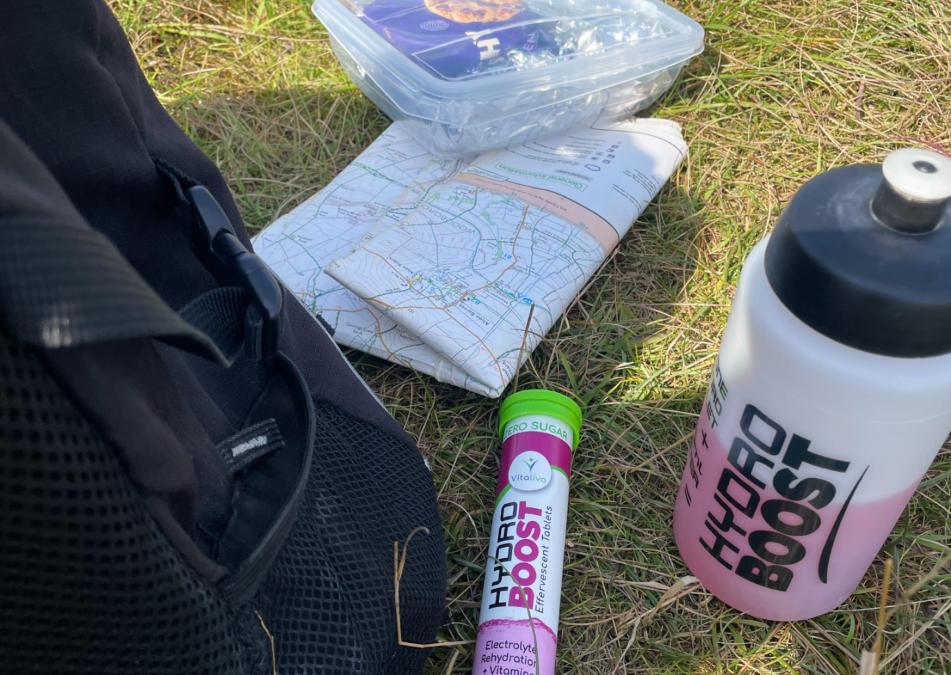
Easy to carry tubes on hikes and walks. Simply drop a tablet in 500ml water, allow to dissolve then sip
How the Effervescent Format Works
Effervescence is a delivery mechanism, not a gimmick. The tablet reacts with water to release carbon dioxide, which helps the minerals disperse evenly rather than sinking to the bottom of the glass. That matters for two reasons: you get a consistent dose in every sip, and the drink is easier to finish than a chalky powder stirred into a bottle.
Sodium is the electrolyte you lose in the greatest quantity through sweat, and it is the one most people under-replace. Potassium, magnesium and calcium support muscle function and nerve signalling. A tablet that combines all four covers more ground than a pinch of table salt in a glass of water. The vitamins within help with muscle recovery.
Signs of Electrolyte Imbalance You Should Not Ignore
The most common signs of electrolyte imbalance are headaches, muscle cramps, fatigue, dizziness on standing and a general foggy feeling that sleep does not fix. These symptoms often appear after intense exercise, a long flight, a stomach bug or a stretch of hot weather.
A useful way to think about it: if you have been drinking plenty of water but still feel off, the problem is probably not volume. It is balance. Cramps that hit at night, a headache that lingers through the afternoon, or a racing heartbeat after light activity are all worth paying attention to.
Some people are more prone to imbalance than others. If you train hard several times a week, follow a keto or low-carb diet, or sweat heavily in a physically demanding job, your baseline losses are higher than average. The same applies if you are taking diuretic medication or recovering from illness. In those cases, speak to your GP before adding a supplement, particularly if you have kidney or heart conditions.
How to Use Electrolyte Tablets for Best Results
Drop one tablet into 500ml of water, let it dissolve fully, and drink it at a pace your stomach tolerates. That is the short version. The longer version depends on why you are taking it.
For general daily hydration, one tablet in the morning is a sensible starting point. For training, the timing matters more than the total volume. Hydro Boost can be taken up to three times or 3 in a 24 hour period.
Timing Around Exercise and Daily Hydration
- Before exercise: one tablet 30-60 minutes ahead of a session, especially in warm conditions
- During long sessions: sip an electrolyte drink across anything lasting over an hour
- After exercise: one tablet within the first hour to support recovery
- Rest days: one tablet if you are sweating through work, travel or hot weather
A common mistake is treating electrolyte tablets as a pre-workout. They are not stimulants. Take them for hydration, not for a buzz, and you will get far more out of them. Another mistake is doubling up on tablets in the same glass. More is not better; it just makes the drink harder to stomach.
If you are using them regularly, keep a tube in your gym bag, one at your desk and one in your travel wash kit. Convenience is the whole point of the format.
Electrolytes for Travel Recovery: Why Flights Drain You
Cabin air is dry, and you lose fluid through breathing for the entire flight. Combine that with disrupted sleep, alcohol, and a change in routine, and you have a recipe for the headache and fatigue that hit most people on arrival. Electrolytes for travel recovery are less about the flight itself and more about the first 24 hours after you land.
A practical routine that works well: take a tablet before boarding, drink it slowly, then take another within an hour of reaching your hotel. Add a proper meal with salt in it, and skip the airport pint if you want to feel human the next morning.
Hydro Boost Twin Pack Blackcurrant →
Effervescent Tablets vs Powders and Ready-Made Drinks
Effervescent tablets win on portability and dosing consistency. Powders are cheaper per serving if you are mixing large volumes at home. Ready-made drinks are the most convenient but the heaviest to carry and the most expensive per serving.
Format |
Best For |
Trade-off |
|---|---|---|
Effervescent tablets |
Travel, gym bags, measured doses |
Higher cost per serving than bulk powder |
Powders |
Home use, high-volume training |
Needs a scoop and a shaker |
Ready-made drinks |
Immediate use, convenience |
Bulky, priciest per serving |
The honest answer is that the best format is the one you will actually use consistently. If a tub of powder sits in your cupboard because you cannot be bothered to measure it, the cheaper option is not cheaper at all.
What to Check Before Buying Any Effervescent Electrolyte Tablet
Read the label for sugar content first. Many electrolyte drinks, including some marketed as sports drinks, carry more sugar than a can of fizzy pop. If you are watching carbs, look for a zero-sugar formula.
Next, check the electrolyte profile. Sodium, potassium, magnesium and calcium should all appear, ideally with amounts listed rather than a vague "electrolyte blend". Due to labelling requirements sodium is stated as salt in the ingredients list. Then look at what else is in there: added vitamins, artificial colours and flavourings, and whether the formula suits your diet.
Vitaliva's Hydro Boost range covers these bases. The tablets are zero-sugar, lactose-free, gluten-free and suitable for vegans and vegetarians, with sodium, potassium, calcium and magnesium alongside B vitamins, vitamin C and zinc. They come in Blackcurrant and Red Berry in a twin pack.

Conclusion: Choosing the Right Electrolyte Support for You
The benefits of effervescent electrolyte tablets come down to three things: they replace what sweat takes out, they are easy to carry, and they are easy to drink. If you train regularly, travel often, or follow a low-carb diet, they fill a gap that water alone cannot.
For most people reading this, Hydro Boost is the sensible starting point. It is zero-sugar, keto-friendly, vegan and gluten-free, and it combines sodium, potassium, calcium and magnesium with B vitamins, vitamin C and zinc in a single tablet. Add to basket and see how you feel after your next hard session or long flight.
Frequently Asked Questions
Are effervescent electrolyte tablets better than drinking plain water?
Plain water rehydrates, but it lacks the sodium, potassium, calcium and magnesium your body loses through sweat. Effervescent electrolyte tablets dissolve in water to replace those minerals, which can help you rehydrate faster and reduce cramping or headaches. They are especially useful after intense exercise, during illness, or when travelling. For everyday low-sweat activity, water is still fine, but for heavier fluid loss, an electrolyte tablet gives you more than water alone.
When is the best time to take an electrolyte tablet?
The best time depends on why you need it. Before or during a long workout, take one to stay ahead of fluid loss. After exercise, a tablet helps replace what you sweated out. For travel, take one before or during a flight to counter dry cabin air. If you wake with a headache or muscle twitchiness after a hot day, that is a good moment too. Most people find one or two tablets a day is enough for general hydration support.
Are there any side effects to taking electrolyte tablets daily?
For most healthy adults, daily use of effervescent electrolyte tablets is fine, provided you follow the label. The main consideration is sodium content, especially if you have high blood pressure or kidney issues, so check with your GP first. Some tablets contain sugar or artificial additives, which you may want to avoid. Choosing a zero-sugar, additive-free option like Hydro Boost reduces that concern. Overconsumption can cause digestive upset, so stick to the recommended servings.
Can electrolyte tablets help with travel-related dehydration?
Yes. Cabin air on flights is very dry, and you lose fluids through breathing and sweat without noticing. Alcohol and caffeine make it worse. An effervescent electrolyte tablet replaces sodium and potassium while you drink, which supports better hydration than water alone. Take one before boarding or during the flight. For longer trips or hot destinations, keep a few tablets in your bag so you can rehydrate quickly on arrival.
Getting hydration right is one of those things that feels trivial until a cramp hits mid-run or a travel day wipes you out. Vitaliva makes it simpler with zero-sugar effervescent tablets that carry the electrolytes you lose and the vitamins that support recovery, in a format that fits in your pocket. If you want steady energy, fewer headaches and faster recovery, add Hydro Boost to your routine and start with one tablet a day.