Electrolyte Beverage Guide: What to Look For
Last Updated: October 23, 2026
Quick Summary
An electrolyte beverage replaces the mineral salts lost through sweat, with sodium being the electrolyte that matters most for rehydration. Check the sodium figure per serving first, then sugar and sweeteners, then cost per serving. Water is enough for short or light activity, but a drink earns its place when sweat loss is real.
- Sodium should be the largest electrolyte figure on the label, listed in milligrams per serving.
- Short sessions under 45 minutes usually need only water, not an electrolyte drink.
- Powders are cheapest per serving, tablets mid-range and ready-made bottles the most expensive.
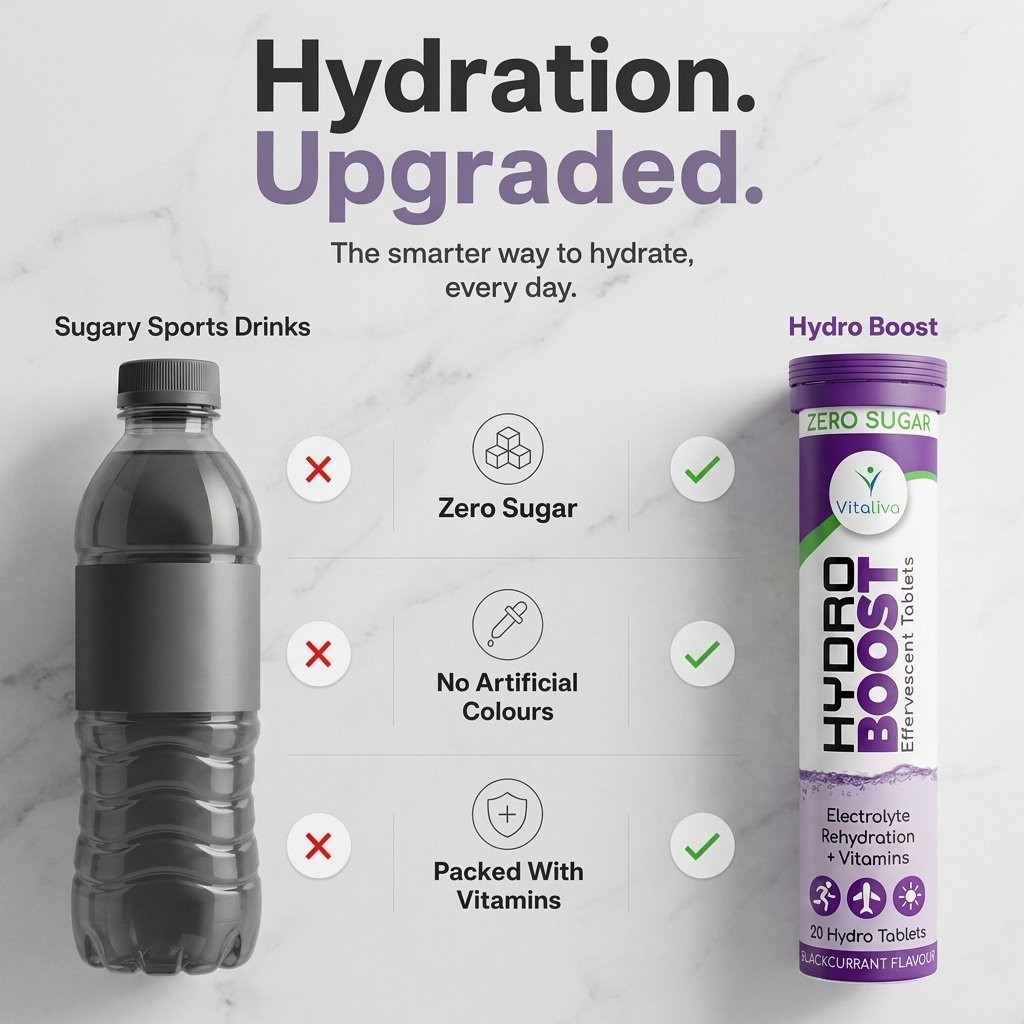
- Hydro Boost are zero-sugar, caffeine-free, vegan-friendly and gluten-free.
- Avoid products listing only an electrolyte blend without a separate sodium figure. According to UK regulations, the amount of sodium will listed as salt. Hydro Boost contains 344mg per hydro tablet.
Table of Contents
- What an Electrolyte Beverage Actually Does
- How to Spot the Best Electrolyte Drinks
- Sodium, Potassium, Magnesium: What the Label Should Show
- Sugar, Sweeteners and the Zero-Sugar Question
- Electrolyte Drinks for Exercise: What Changes With Sweat Rate
- Electrolyte Drinks vs Water: Which One You Actually Need
- When to Drink Electrolytes (and When It's Overkill)
- Tablets, Powders and Ready-Made: Cost Per Serving Compared
- Common Mistakes Buyers Make With an Electrolyte Beverage
- Conclusion
- Frequently Asked Questions
What an Electrolyte Beverage Actually Does
An electrolyte beverage is a drink formulated to replace the mineral salts your body loses through sweat, urine and normal metabolic function. The main electrolytes are sodium, potassium, magnesium and calcium, and each one carries an electrical charge that helps regulate fluid balance, muscle contractions and nerve signalling.
That is the physiology. The practical question is whether you need one.
Most people lose sodium in meaningful amounts during sweaty activity, and sodium is the electrolyte that matters most for rehydration. A well-made electrolyte beverage replaces that sodium alongside water, which helps your body hold onto the fluid rather than passing it straight through. This guide breaks down what separates a useful formula from a marketing exercise, so you can read a label and know within seconds whether it is worth your money.
Here is the part most buying guides skip: the ingredient list matters far more than the front of the pack. A drink can call itself an electrolyte beverage and contain almost no sodium. It can promise hydration while loading up on sugar. Below, we show you exactly what to check.
How to Spot the Best Electrolyte Drinks
The best electrolyte drinks share three traits: a meaningful sodium dose, a short ingredient list and a format that suits how you will actually use it. Everything else is detail.
Start with the numbers per serving, not per bottle. Manufacturers choose whichever unit makes their figure look strongest. Sodium is the first thing to check, usually listed as salt in milligrams. Then scan for sugar and sweeteners, because that decision shapes both the calorie count and how the drink behaves in your gut.
A common mistake is buying on flavour alone. Taste matters, since you will only drink it if you enjoy it, but flavour is the last filter, not the first. Budget is the second filter. Your actual usage pattern is the third. Taste is a subjective issue and often a sugar-free version may not be as palatable as a sugared version.
- Sodium per serving: the headline figure
- Potassium and magnesium: supporting minerals
- Sugar or sweetener type and amount
- Added vitamins
- Serving format: tablet, powder or ready-made
- Cost per serving, not cost per pack
Sodium, Potassium, Magnesium: What the Label Should Show
Sodium should be the largest electrolyte figure on the label. It is the mineral you lose most of in sweat, and it drives fluid retention. Potassium supports nerve and muscle function and is usually present in smaller amounts. Magnesium plays a role in muscle function and recovery, though it is often included at low doses for labelling rather than effect.
Calcium appears in some formulas as a supporting mineral. Zinc sometimes shows up for immune support rather than hydration.
The trick is comparing like with like. Some brands list electrolytes as a combined "electrolyte blend" figure, which tells you almost nothing. Look for individual mineral amounts. If a label hides sodium inside an aggregate number, treat that as a warning sign.
Our own Hydro Boost, for example, lists sodium, potassium, calcium and magnesium separately, plus B vitamins, vitamin C and zinc.

Hydro Boost Blackcurrant Flavour. Contains 344mg sodium per hydro tablet which should be dissolved in 500ml water.
Sugar, Sweeteners and the Zero-Sugar Question
Sugar in an electrolyte beverage is a trade-off, not a scandal. Glucose can speed fluid absorption, which is why some sports drinks include it. The catch is calories, and for everyday hydration many people would rather not spend them.
Zero-sugar formulas use sweeteners instead. For keto dieters and anyone watching carbohydrate intake, a sugar-free electrolyte drink is the obvious pick. Check that the sweetener agrees with you, since some people find certain sweeteners upset the stomach during hard exercise.
The label detail that matters here is total carbohydrate per serving. A drink marketed as low-sugar can still carry enough carbs to matter if you are strict about ketosis. Read the figure, not the claim.
For most recreational exercisers, a zero-sugar electrolyte beverage covers the job well. If you are running long distances or doing endurance events, the sugar question becomes more nuanced and worth a separate look at your fuelling plan.
Electrolyte Drinks for Exercise: What Changes With Sweat Rate
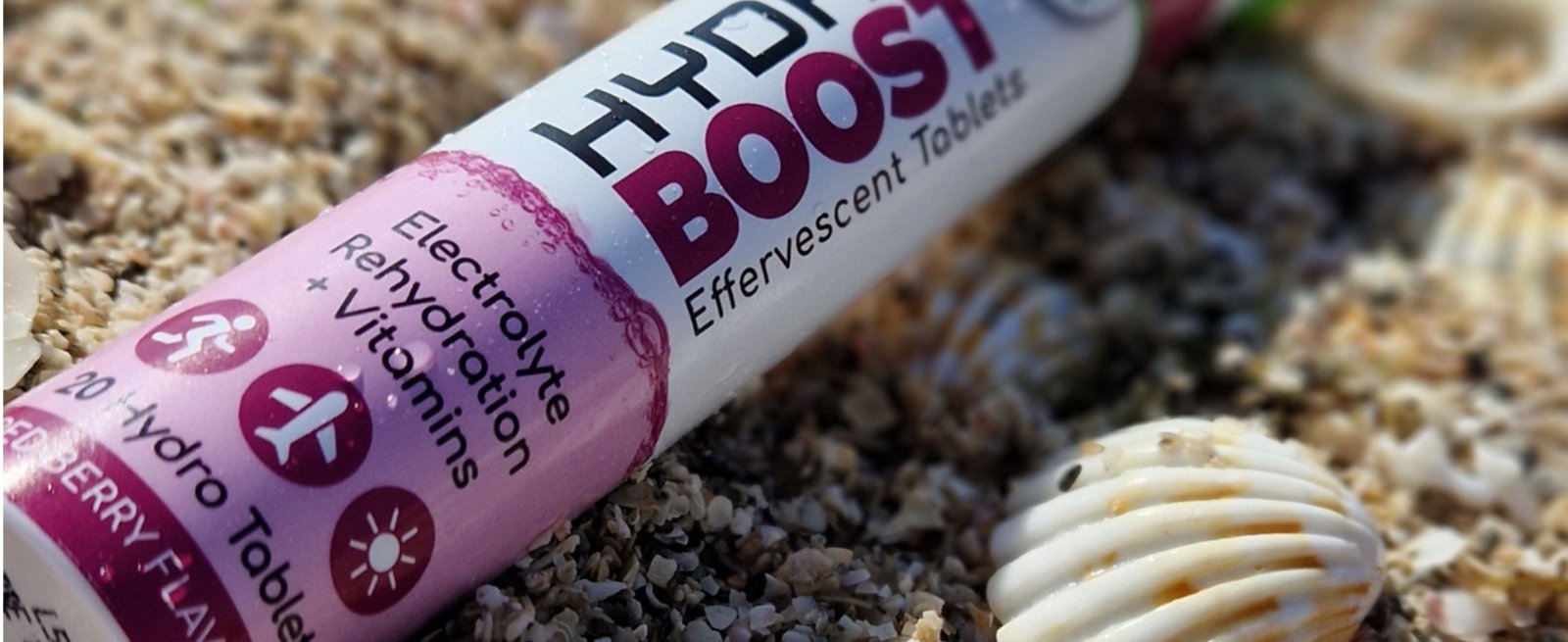
Sweat rate changes everything about how you use electrolyte drinks for exercise. A heavy sweater doing an hour of intense training loses far more sodium than someone on a light walk, and the drink should match the demand.
You can estimate your own sweat rate roughly by weighing yourself before and after a session and noting how much you drank. The difference gives you a working figure. It will not be precise, but it beats guessing.
Practical adjustments:
- Short sessions under 45 minutes: water is usually enough
- Sweaty sessions over an hour: an electrolyte drink earns its place
- Hot conditions: sodium needs climb, even at lower intensity
- Long endurance efforts: combine electrolytes with a fuelling strategy
The mistake is treating one formula as right for every session. Match the drink to the day.
Hydro Boost Blackcurrant Flavour →
Electrolyte Drinks vs Water: Which One You Actually Need
Water is the right choice for most everyday hydration. Electrolyte drinks vs water is not a contest with a single winner; it depends on what you are replacing.
For desk work, mild activity and cool weather, plain water does the job. Your kidneys manage sodium balance well when you are not sweating heavily. Adding electrolytes when you have not lost any is unnecessary.
Electrolyte drinks pull ahead when you are sweating substantially, when it is hot, or when you have been training hard across several days. They also help if you struggle to drink enough plain water, since flavour encourages intake. One customer put it plainly: drinking a flavoured drink is easier than plain water.
The honest answer: use water as your default and reach for an electrolyte beverage when sweat loss is real.
When to Drink Electrolytes (and When It's Overkill)
When to drink electrolytes comes down to one question: have you lost meaningful sodium? If yes, drink them. If no, water is fine.
Good moments to reach for them:
- After a sweaty workout or long run
- During hot weather when you are active
- On long travel days when hydration slips
- During a hangover, when fluid and mineral balance are off
- When training hard on consecutive days
Overkill looks like sipping an electrolyte beverage at your desk all day with no sweat loss. It is not dangerous for most people, but it is money spent for no benefit. People with kidney conditions or on sodium-restricted diets should check with their GP before adding sodium regularly.
The pattern that works: keep a tube in your gym bag and a tube at home, and use them when the day calls for it.
Tablets, Powders and Ready-Made: Cost Per Serving Compared
Cost per serving is the number that decides value, and the format drives it. Powders are usually cheapest per serving because you buy in bulk. Tablets sit in the middle. Ready-made bottles cost the most per serving and carry the most packaging.
Format |
Typical Cost Per Serving |
Best For |
Trade-offs |
|---|---|---|---|
Powder tub |
Lowest |
Heavy daily users |
Measuring, bulky to carry |
Effervescent tablets |
Mid-range |
Travel, gym bags |
One tablet per drink |
Ready-made bottles |
Highest |
Convenience on the go |
Weight, packaging, cost |
Our Hydro Boost tablets come in at £8.99 per tube, which travels easily. For frequent travellers and gym users, that portability is the real advantage over a powder tub. For someone going through several servings a day at home, a powder may still win on cost.
There is no universal winner. Match the format to your routine.
Common Mistakes Buyers Make With an Electrolyte Beverage
The biggest mistake is buying on branding rather than the sodium figure. A striking label and a hydration claim tell you nothing about whether the formula replaces what you lose.
Other frequent errors:
- Ignoring serving size. A cheap-looking price per pack can hide a tiny number of servings.
- Assuming all tablets are equal. Sodium content varies widely between brands.
- Overlooking sweeteners. Check which one is used if you have a sensitive stomach.
- Buying one flavour in bulk. Sample first; you will drink more of what you enjoy.
- Expecting cramp relief from any drink. Cramps have multiple causes, and electrolytes are one lever, not a cure.
A common mistake is dismissing tablets as expensive before doing the per-serving maths. Do the division first.
Conclusion
Reading a label properly takes about thirty seconds. Check sodium first, then sugar and sweeteners, then cost per serving, and match the format to how you actually live.
At Vitaliva, our Hydro Boost tablets are built for exactly that: zero-sugar, vegan-friendly effervescent tablets with sodium, potassium, calcium, magnesium, B vitamins, vitamin C and zinc, at £8.99 a tube. They dissolve fast, travel well and suit keto and gluten-free diets. Add to basket and keep a tube in your bag for the days that call for real rehydration.
Frequently Asked Questions
Are electrolyte drinks better than water?
For everyday hydration, water is enough. An electrolyte beverage earns its place when you sweat heavily, train for more than an hour, or spend a hot day outdoors, because you lose sodium and potassium as well as fluid. Plain water replaces the volume but not the salts, which is why some people feel flat after long sessions. For short, easy activity, water plus a normal meal covers your needs.
Can you drink electrolyte drinks every day?
Yes, provided you pick a zero-sugar formula and keep an eye on sodium. A daily tablet in 250-500ml of water suits people who train regularly, travel often or work in warm conditions. Check the label for added sugar and artificial colours, especially if you are keto or vegan. Vitaliva Hydro Boost is sugar-free, keto-friendly and suitable for vegans, at £8.99 per tube, which makes daily use easy to budget for.
Are zero-sugar electrolyte drinks effective?
They still deliver the minerals you lose through sweat: sodium, potassium, calcium and magnesium. What they lack is the carbohydrate that speeds fluid absorption during long endurance efforts. For gym sessions, walking, travel and daily hydration, a zero-sugar tablet such as Hydro Boost does the job without the calorie load. If you are running a marathon or cycling for hours, a drink with some carbohydrate may suit you better.
What should you look for in an electrolyte drink?
Start with the mineral panel: meaningful sodium, plus potassium, calcium and magnesium. Then check the sugar line, the sweetener used, and whether the formula suits your diet, since vegan, gluten-free and keto claims vary. Taste matters more than people admit, because a drink you dislike will sit in the cupboard. Finally, compare cost per serving rather than pack price, as tablets and powders differ widely once you do the maths.